
 EN
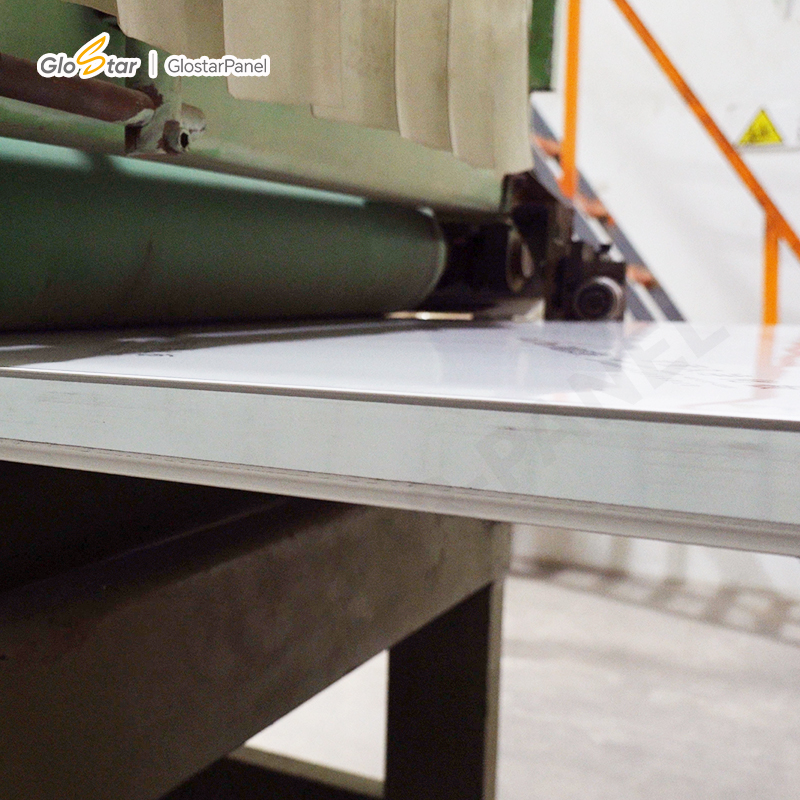
Stable surface integrity under repeated disinfection cycles
Stainless steel cleanroom panels stand apart from coated alternatives because the hygienic surface is part of the base material, not a thin top layer applied over steel substrate. Most pharmaceutical cleanrooms run scheduled decontamination cycles using hydrogen peroxide vapor, chlorine-based sanitizers, and alcohol blends. Coated steel panels lose finish adhesion over repeated exposure, and tiny scratches or chip points become starting spots for flaking. Flaking releases fine particles that disrupt airborne particle counts and create hidden niches for microbial growth.
Austenitic stainless steel grades such as 304 and 316L form a passive chromium oxide film that regenerates after mild abrasion. This passive layer blocks chemical attack and prevents progressive surface breakdown. Even after years of routine wipe-downs and fogging cycles, the non-porous surface stays continuous and free of the pinholes that compromise painted surfaces. This trait aligns with guidance laid out in ISO 14644-4, which sets expectations for cleanroom surfaces that do not generate contaminants during normal operation and sanitation.
Reduced contamination risk over extended facility operation
Contamination control is not only a concern during startup validation. Many cleanroom systems drift out of specification slowly as surfaces degrade. Damaged coatings trap residues from formulations and cleaning agents, and these trapped residues can transfer into batches over long production runs. Surface roughness also shapes how easily residues wash away. Electropolished stainless steel holds a low Ra value, so organic films and powder residues lift away with standard cleaning steps without leaving embedded traces.
Three common contamination pathways shrink significantly with properly finished stainless steel cleanroom panels.
- Particle shedding from degraded paint or laminate layers.
- Biofilm buildup inside cracks and delaminated coating edges.
- Cross-contamination from residual sanitizer trapped in porous surface defects.
The difference becomes clearer when tracked across multi-year operational windows. Facilities that rely on coated panels often add extra surface testing and repair work to maintain qualification status, while stainless steel assemblies hold steady with standard cleaning logs.
| Panel surface type | Resistance to frequent chemical fogging | Risk of particle shedding from surface damage | Effort required for cleaning validation | Long-term compliance burden |
|---|---|---|---|---|
| 316L electropolished stainless steel | Excellent | Very low | Low | Minimal |
| 304 brushed stainless steel | Good | Low | Moderate | Low |
| Polyester coated galvanized steel | Moderate | Medium | High | Elevated |
| PVC laminated panel | Fair | Medium | High | Elevated |
Real-world performance from a sterile filling suite upgrade
A sterile filling plant renovation project demonstrated the gap between material expectations and long-run reality. The original cleanroom walls used coated steel panels installed during an earlier expansion. Within several years, inspectors found fine paint chipping along joint lines and discoloration in zones hit by routine vaporized hydrogen peroxide cycles. Each inspection round required extra swab sampling and targeted touch-up work, and unplanned shutdowns happened to carry out repairs.
The replacement scope switched critical zones to stainless steel cleanroom panels with continuous welded and polished seams. Monitoring data collected across multiple audit cycles showed fewer surface-related deviations. The facility still completed routine cleaning validation, but the frequency of corrective actions linked to wall surface quality dropped sharply. This case shows that upfront material selection directly shapes compliance workload for years after commissioning.
Lower cumulative maintenance and downtime losses
The higher initial cost of stainless steel often draws focus during budget reviews, but total cost of ownership shifts when maintenance downtime is counted. Coated panels need periodic touch-ups, full section replacement, and re-qualification after any repair. Every repair event means partial or full room shutdown, plus repeat environmental monitoring and documentation for regulators. These indirect costs stack up steadily across the asset life.
Stainless steel surfaces can be mechanically polished to remove light scratches without replacing full panels. Repairs do not introduce new coating layers that need curing or compatibility testing with existing disinfection workflows. Joints sealed and polished at installation stay smooth for far longer, and fewer hidden gaps reduce the labor spent on deep cleaning. Facilities with continuous production schedules find this reliability delivers more predictable throughput.
Clear boundaries for stainless steel cleanroom panel performance
Stainless steel cleanroom panels are not immune to every failure mode. Heavy impact can create deep dents that trap residues, and chloride-rich sanitizers left standing on 304-grade surfaces for long periods may trigger pitting corrosion. Fingerprints and light smudges remain visible on polished finishes, requiring consistent cleaning routines. They also add weight to wall assemblies and demand precise handling during installation.
These limits matter for design teams. Material grade and surface finish should match the disinfection chemistry and cleaning frequency of each zone. Less critical support rooms can use coated panels to balance budget, while high-grade sterile zones benefit most from stainless steel. Selecting stainless steel everywhere adds unnecessary expense if the space does not carry high microbial and chemical exposure pressure.
Glostarpanel maintains consistent fabrication standards for stainless steel cleanroom panels, controlling seam finishing and surface treatment to deliver uniform hygienic performance. Production workflows focus on tight joint geometry and stable surface quality, supporting predictable behavior under repeated sanitization cycles. Its supply chain handles steady order volumes for standard cleanroom layouts without forcing overspecified builds for low-demand zones.