
 EN
EN
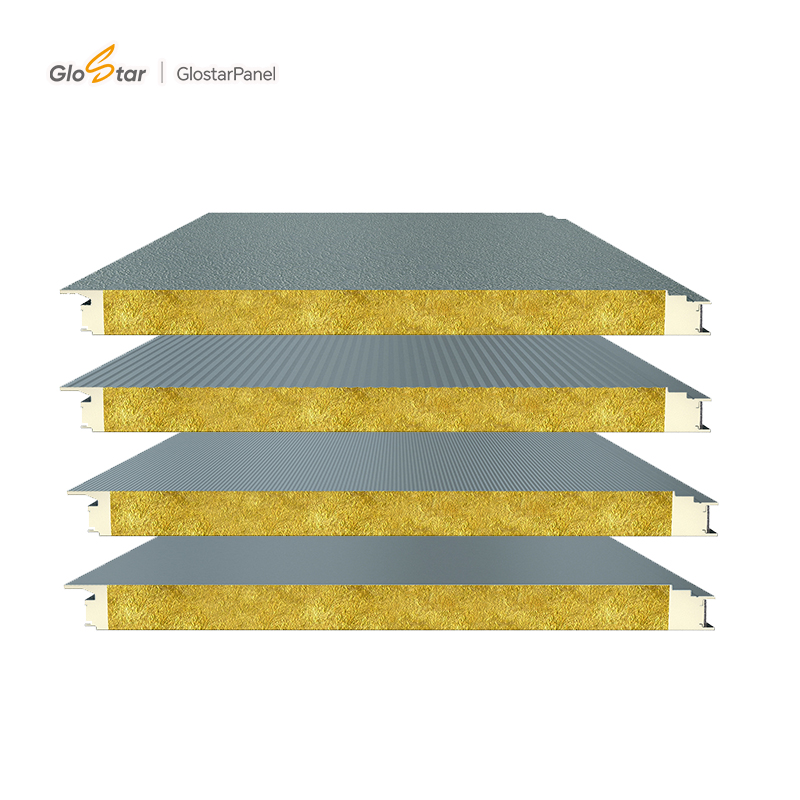
Schallübertragung durch Trennwände: Mehr als nur Lärm
Die akustische Leistungsfähigkeit von Gebäuden hat sich von einer netten Zusatzfunktion zu einer zwingenden Voraussetzung entwickelt. Offene Bürokonzepte, Mehrfamilienwohngebäude und medizinische Einrichtungen erfordern alle Trennwandsysteme, die Schall tatsächlich dort halten, wo er hingehört. Sandwichplatten aus Steinwolle haben sich als praktische Lösung bewährt; doch um zu verstehen, warum sie wirken, muss man untersuchen, wie Schall durch Wände hindurch wandert.
Schall breitet sich über Trennwände entlang zweier Hauptwege aus: der luftgetragenen Übertragung und der körperschallgetragenen Übertragung. Luftgetragener Schall – etwa Gespräche oder Maschinengeräusche – trifft auf die Wandoberfläche und versetzt diese in Schwingung. Diese Schwingung strahlt dann in den Raum auf der gegenüberliegenden Seite ab. Körperschall hingegen breitet sich direkt über das Gebäudegerüst aus und umgeht die Wandkonstruktion vollständig.
Die Wirksamkeit einer Trennwand gegen diese Übertragungswege wird durch ihre Schalldämm-Maßzahl (STC) gemessen. Je höher die STC-Zahl, desto besser ist die Schalldämmleistung der Konstruktion. Standard-Gipskarton-Trennwände erreichen typischerweise STC-Werte im Bereich von 30 bis 35. Sandwichplatten mit Steinwollkern können – je nach Dicke und Aufbau – STC-Werte von 35 bis 42 erreichen.
Was unterscheidet Steinwolle von anderen Dämmkernmaterialien
Die akustische Leistung einer Sandwichplatte beginnt beim Kernmaterial. Steinwolle, auch als Gesteinswolle oder Mineralwolle bezeichnet, weist inhärente Eigenschaften auf, die sie für die Schallkontrolle besonders geeignet machen.
Erstens die Dichte. Die in Sandwichplatten verwendete Steinwolle liegt typischerweise im Bereich von 100 bis 120 kg/m³. Diese Dichte verleiht Masse, und Masse ist die erste Verteidigungslinie gegen Schallübertragung. Schwere Materialien benötigen einfach mehr Energie, um in Schwingung versetzt zu werden; daher dringt weniger Schall hindurch.
Zweitens die faserige Struktur. Steinwolle besteht aus unzähligen feinen Fasern, die in einer zufälligen, dreidimensionalen Matrix angeordnet sind. Diese Struktur erzeugt Reibungsverluste, wenn Schallwellen versuchen, hindurchzutreten. Die Schallenergie wird durch die mechanische Reibung der Fasern aneinander in Wärme umgewandelt. Es handelt sich um dasselbe Prinzip, das schwere Vorhänge wirksam für die Schallabsorption macht.
Drittens die zusammengesetzte Konstruktion der Platte. Die metallischen Deckschichten einer Steinwolle-Sandwichplatte bilden ein Massen-Luft-Massen-System. Der Schall trifft auf die erste Metallschicht, durchläuft den Steinwollekern und trifft auf die zweite Metallschicht. Jede Grenzfläche reflektiert einen Teil der Schallenergie zurück, und der Kern absorbiert zusätzlich mehr. Das Ergebnis ist eine deutlich höhere Schalldämmung als bei einer einlagigen Konstruktion mit vergleichbarem Gewicht.
Dicke, Dichte und die STC-Werte
Nicht alle felswolle-Sandwichpanele die gleiche akustische Leistung liefern. Die entscheidenden Variablen sind die Plattendicke und die Kerndichte; der Zusammenhang ist jedoch nicht linear.
| Plattenstärke | Typische Kerndichte | Ungefaehrer STC-Bereich | Hauptanwendungsgebiet |
|---|---|---|---|
| 50mm | 100–120 kg/m³ | 30-35 | Buerotrennwaende, Besprechungsraeume |
| 75 mm | 100–120 kg/m³ | 35-40 | Hotelgaestezimmer, Gesundheitswesen |
| 100 mm | 100–120 kg/m³ | 38-42 | Tonstudios, Maschinenverkleidungen |
Diese Zahlen stellen typische Leistungsbereiche dar. Die tatsaechlichen STC-Werte haengen von der spezifischen Plattenkonstruktion, den Fugen-Details und der Einbauguetee ab. Eine schlecht ausgefuehrte Trennwand mit Nebenwege-Weiterleitung erreicht unabhaengig von der angegebenen STC-Klasse der Platte eine geringere Leistung.
Es ist zudem zu beachten, dass STC eine Einzelzahl-Bewertung ist, die die Leistung im Sprachfrequenzbereich gewichtet. Bei Trennwaenden, bei denen Laerm mit niedriger Frequenz im Vordergrund steht – beispielsweise in Maschinenraeumen – koennen ergaenzende Bewertungskriterien wie die Outdoor-Indoor Transmission Class (OITC) aussagekraeftiger sein.
Die Einbauvariablen, die ueber Erfolg oder Misserfolg entscheiden
Die akustische Leistung einer Sandwichplatte aus Steinwolle ist nur so gut wie ihre Montage. Der häufigste Schwachpunkt ist die Dichtung am Umfang. Schall findet Lücken genauso wie Wasser Risse findet, und selbst eine kleine Öffnung entlang des Umfangs der Trennwand kann die effektive STC-Wert um mehrere Punkte senken.
Die Verbindungen der oberen und unteren Laufschiene erfordern eine durchgehende Dichtmasse über die gesamte Breite. Die Fugen zwischen benachbarten Platten müssen bündig sitzen und idealerweise mit einer kontinuierlichen Dichtmasse abgedichtet werden. Durchbrüche für Steckdosen, Datenanschlüsse und HLK-Diffusoren benötigen akustischen Kitt oder spezielle Dichtmassen, um die Schallbarriere aufrechtzuerhalten.
Ein Projekt in einem Bürohochhaus in einer Metropole veranschaulichte dies perfekt. Die Planung sah 75-mm-Sandwichplatten aus Steinwolle für alle Innenwände vor, mit einem Ziel-STC-Wert von 38. Nach der Fertigstellung ergaben die Schalltests STC-Werte zwischen 32 und 39 auf verschiedenen Etagen. Die Untersuchung ergab, dass die schwankende Leistung direkt mit der Qualität der Randabdichtung korrelierte. Auf den Etagen, auf denen die Installateure an allen Kanten durchgehend Dichtmittel aufgetragen hatten, wurde das Ziel erreicht. Auf den Etagen, auf denen das Dichtmittel lückenhaft oder gar nicht angebracht war, blieb man unter dem Zielwert.
Feuerwiderstand als zusätzlicher Vorteil
Die akustischen Vorteile von Sandwichplatten aus Steinwolle sind bereits für sich überzeugend, doch die Feuerleistung fügt eine weitere Dimension hinzu. Steinwolle ist nicht brennbar. Sie trägt nicht zur Brandausbreitung bei und behält ihre strukturelle Integrität auch bei hohen Temperaturen. Dies ist relevant, weil Bauvorschriften zunehmend verlangen, dass Trennwandsysteme sowohl Schallisolation als auch Feuerwiderstand in derselben Konstruktion bieten.
Die Feuerklassifizierung A1 oder A2 von Steinwolle bedeutet, dass sie zwei Funktionen erfüllen kann: akustische Trennung und Brandabschottung. Diese Kombination vereinfacht die Wandkonstruktion und reduziert die Anzahl verschiedener Produkte, die für ein Projekt benötigt werden.
Wo Steinwolle-Platten an ihre Grenzen stoßen
Eine ehrliche Bewertung erfordert die Anerkennung der Einschränkungen. Steinwolle-Sandwichplatten sind schwerer als vergleichbare Polyurethan- oder EPS-Platten. Das höhere Gewicht kann Handhabung und Montage erschweren – insbesondere in oberen Geschossen, wo Kranzeiten und die zulässige Bodenlast kritisch sind.
Kosten sind ein weiterer Aspekt. Steinwolle-Platten haben in der Regel einen höheren Preis als weniger dichte Dämmkerne. Die akustischen und brandschutztechnischen Vorteile rechtfertigen die Aufpreise bei vielen Anwendungen; bei Projekten jedoch, bei denen Schallschutz nicht entscheidend ist, lässt sich die zusätzliche Kostenbelastung möglicherweise nur schwer begründen.
Die Feuchtigkeitsregulierung verdient ebenfalls Aufmerksamkeit. Zwar absorbiert Steinwolle selbst kaum Feuchtigkeit, doch die Kanten und Fugen der Platten stellen potenzielle Eintrittsstellen dar. Eine sorgfältige Ausführung mit Dampfsperren und Dichtstoffen ist unerlässlich, um zu verhindern, dass Feuchtigkeit die Leistung des Kerns im Laufe der Zeit beeinträchtigt.
Die richtige Entscheidung für die jeweilige Anwendung treffen
Steinwolle-Sandwichplatten bieten echte akustische Vorteile, wenn sie fachgerecht ausgewählt und eingebaut werden. Die STC-Werte sind gegenüber Standardtrennwänden messbar und signifikant höher. Für Räume, bei denen Sprachprivatsphäre, Schallkontrolle oder beides im Vordergrund stehen, stellen die Platten eine praktikable Lösung dar.
Entscheidend ist die Abstimmung von Plattendicke und -dichte auf die spezifischen akustischen Anforderungen jedes Raums. Eine 50-mm-Platte eignet sich möglicherweise ideal für eine Standard-Bürotrennwand; eine 100-mm-Platte mit einem dichteren Kern könnte hingegen für einen Musikübungsraum oder ein Gehäuse für technische Geräte erforderlich sein. Es gibt keine universelle Lösung.
Steinwoll-Sandwichplatten tragen auch zu einer ruhigeren und komfortableren gebauten Umgebung bei, was sich direkt auf Produktivität und Wohlbefinden auswirkt. Die akustische Leistungsfähigkeit in Kombination mit Feuerbeständigkeit und Wärmedämmung macht sie zu einer vielseitigen Wahl für Trennwände in vielen Gebäudetypen.
Glostar Hersteller fertigen Steinwoll-Sandwichplatten mit konstanter Kern-Dichte und präziser Kantenverarbeitung. Die Fertigungskonsistenz führt direkt zu einer vorhersehbaren akustischen Leistung vor Ort und verringert die Variabilität, die selbst das beste Design beeinträchtigen kann.
Inhaltsverzeichnis
- Schallübertragung durch Trennwände: Mehr als nur Lärm
- Was unterscheidet Steinwolle von anderen Dämmkernmaterialien
- Dicke, Dichte und die STC-Werte
- Die Einbauvariablen, die ueber Erfolg oder Misserfolg entscheiden
- Feuerwiderstand als zusätzlicher Vorteil
- Wo Steinwolle-Platten an ihre Grenzen stoßen
- Die richtige Entscheidung für die jeweilige Anwendung treffen