
 EN
EN
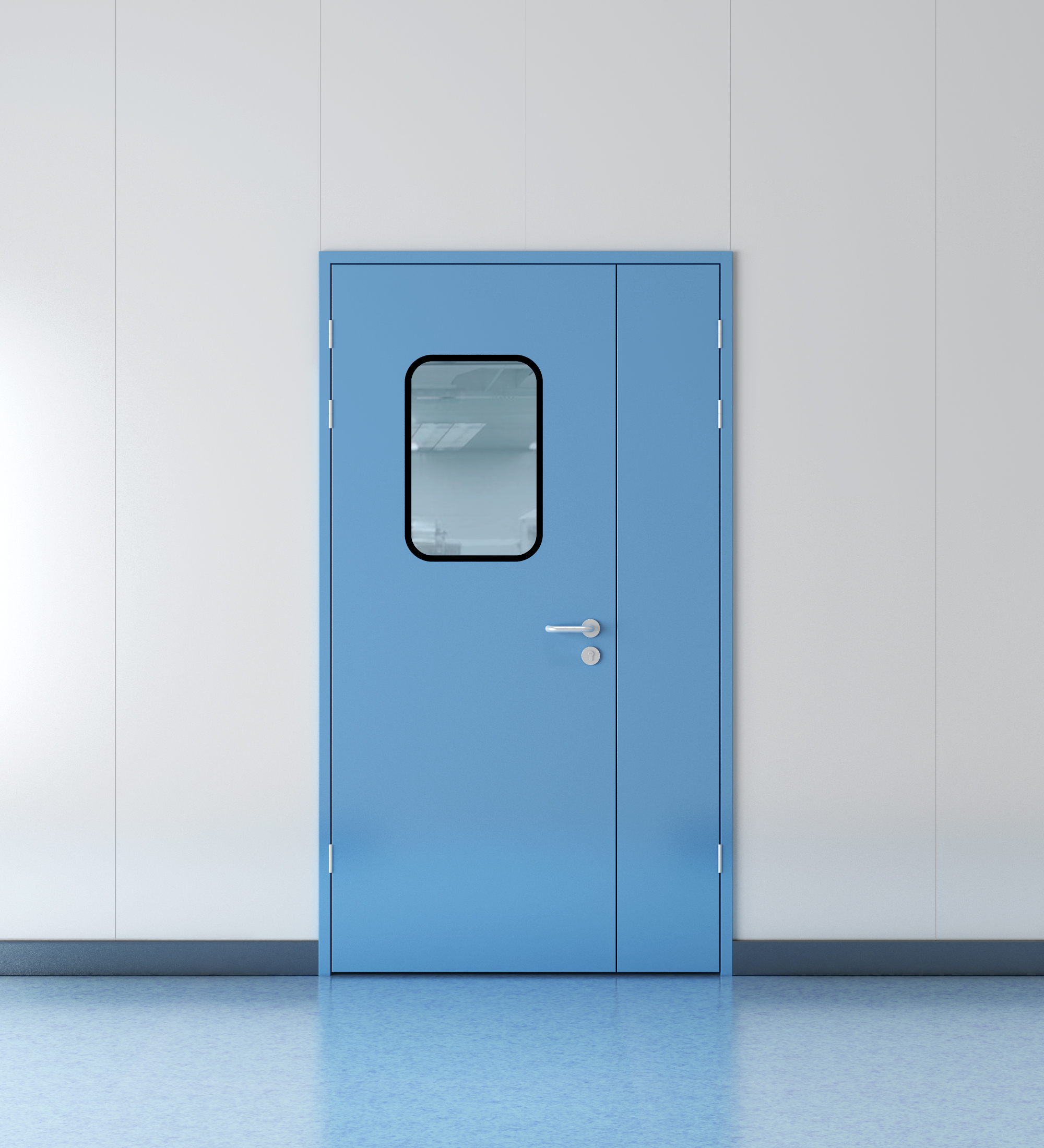
La porta che non dovrebbe essere una porta
In una stanza pulita farmaceutica, ogni apertura di una porta rappresenta un potenziale evento di contaminazione. Aprendo una porta, il gradiente di pressione tra due ambienti classificati si annulla. L’aria fluisce dalla zona a pressione maggiore a quella a pressione minore, trasportando con sé particelle. La stanza impiega del tempo per ripristinare le condizioni ottimali — talvolta alcuni minuti, a seconda della progettazione dell’impianto HVAC e della classe di purezza richiesta. Ora moltiplicate questo effetto per ogni trasferimento di materiale, per ogni spostamento di attrezzature e per ogni consegna di campioni che avviene in una tipica giornata produttiva. L’esposizione cumulativa aumenta rapidamente.
È qui che entra in gioco la porta di passaggio — o, più precisamente, la camera di passaggio. Non si tratta di una porta nel senso convenzionale del termine. È un’incapsulatura stagna integrata nella parete tra due ambienti, dotata di una porta interbloccata su ciascun lato. La regola fondamentale è semplice: entrambe le porte non possono mai essere aperte contemporaneamente. Il materiale entra dal lato sporco, la porta si chiude, la camera equalizza o viene purgata, quindi si apre la porta del lato pulito per il prelievo. Nessuno scambio diretto d’aria tra i due ambienti. Nessuna caduta di pressione. Nessun percorso di contaminazione.
Cosa dicono effettivamente i regolamenti sulla progettazione delle camere di passaggio
Il panorama normativo per i locali puliti farmaceutici è diventato più stretto nell'ultimo decennio e i requisiti di pass-through riflettono tale tendenza. Il capitolo 797 della USP, che disciplina la preparazione di composti sterili nelle farmacie, stabilisce esplicitamente che, se si utilizza un pass-through, non si devono mai aprire contemporaneamente entrambe le porte e raccomanda l'uso di porte interbloccanti. Lo standard non impone la filtrazione HEPA per ogni passaggio, ma richiede che il dispositivo mantenga l'integrità dell'ambiente delle camere pulite.
Le linee guida della FDA adottano un approccio più rigoroso in alcuni ambiti. L’agenzia considera una condizione insalubre qualsiasi struttura progettata o gestita in modo da consentire il flusso di aria di qualità inferiore verso un’area in cui l’aria è di qualità superiore. Ciò include il trasferimento diretto di materiali tra un’area non classificata e una stanza in cui avviene la preparazione sterile. Nella pratica, questo ha spinto molti produttori farmaceutici a utilizzare passaggi filtrati con filtri HEPA dotati di cicli attivi di spurgo, anche quando il testo letterale della USP <797> non lo richiede espressamente.
La norma internazionale ISO 14644 per ambienti puliti e controllati aggiunge un ulteriore livello di regolamentazione. Tale norma tratta la direzione del flusso d’aria, le differenze di pressione e le prestazioni di recupero. Un passaggio che non mantiene le relazioni di pressione tra gli ambienti collegati non rispetta la conformità alla ISO 14644, indipendentemente da quanto possa essere conforme ad altre norme.
La logica meccanica alla base delle porte interbloccate
L'interblocco non è soltanto una funzionalità opzionale: è il controllo meccanico fondamentale che rende possibile il funzionamento di un passaggio diretto. Esistono due tipi principali: interblocchi elettronici e interblocchi meccanici. I sistemi elettronici utilizzano solenoidi o serrature motorizzate controllate da un controller logico. L’apertura di una porta blocca immediatamente l’altra porta; la sua chiusura ripristina il sistema. Gli interblocchi meccanici invece impiegano collegamenti fisici—come camme, perni o bulloni scorrevoli—che impediscono l’apertura di una porta mentre l’altra è aperta, senza alcun componente elettronico.
Ogni approccio comporta compromessi. Gli interblocchi elettronici offrono maggiore flessibilità: possono integrarsi con cicli di spurgo, temporizzatori per la sterilizzazione UV e sistemi di allarme; inoltre registrano gli eventi relativi all’apertura delle porte per garantire tracciabilità auditiva. Tuttavia richiedono alimentazione elettrica, cablaggio e manutenzione continua di sensori e controllori. Gli interblocchi meccanici sono più semplici e più affidabili nel senso che non dipendono dall’energia elettrica, e sono praticamente privi di manutenzione. Di norma presentano però un costo iniziale più elevato e una minore flessibilità in caso di modifiche alla disposizione degli ambienti.
In entrambi i casi, l’interblocco svolge la stessa funzione: impedisce fisicamente l’apertura simultanea che creerebbe un percorso aereo diretto tra due ambienti con differenti classificazioni di pulizia.
Dove installare i pass-through — e dove invece evitarli
La collocazione è importante quanto l’hardware stesso. La posizione ottimale per un pass-through è tra una stanza tampone o un’area classificata e uno spazio non classificato o meno classificato. Ciò riduce al minimo il transito attraverso la stanza pulita e mantiene le operazioni di movimentazione materiali lontano dalle aree più sensibili. In un tipico impianto farmaceutico, i pass-through sono spesso posizionati tra l’anticamera per l’indossamento delle divise e l’area di preparazione, oppure tra l’area di preparazione e un corridoio di supporto.
Anche la distanza dai principali sistemi di controllo ingegneristico—come le cappe di sicurezza biologica o gli isolatori asettici per la preparazione—rappresenta un fattore rilevante. Le buone pratiche del settore suggeriscono di mantenere almeno tre piedi (circa 91 cm) di distanza da questi dispositivi critici, per evitare interferenze con i flussi d’aria e garantire agli operatori lo spazio necessario per lavorare.
Cosa non funziona? Installare un passaggio diretto tra due ambienti classificati della stessa classe senza considerare le relazioni di pressione. Se entrambe le stanze sono di classe ISO 7 ma una opera a una pressione positiva maggiore rispetto all’altra, l’apertura del passaggio senza un’adeguata equalizzazione provoca comunque movimento d’aria. L’interblocco impedisce che entrambe le porte si aprano contemporaneamente, ma non impedisce che l’equalizzazione della pressione avvenga quando la prima porta si apre. Alcune strutture risolvono questo problema utilizzando interblocchi con rilevamento della pressione, che ritardano il rilascio della porta fino al raggiungimento dell’equalizzazione delle pressioni.
Un’installazione reale: Impianto Midwest Biologics
Un impianto per la produzione di biologici nel Midwest stava affrontando problemi di contaminazione riconducibili ai trasferimenti di materiali. L’impianto utilizzava un tradizionale airlock a due porte per l’ingresso dei materiali: sostanzialmente una piccola stanza con due porte attraverso cui gli operatori entravano a piedi. Il problema era che gli operatori lo trattavano come un semplice corridoio. Le porte venivano tenute aperte con supporti. Il flusso di traffico diventava caotico. E i dati sulla contaminazione evidenziavano un chiaro schema: i picchi di particelle coincidevano con i tempi di trasferimento dei materiali.
La soluzione è stata un aggiornamento tecnico mediante l’installazione di camere di passaggio in corrispondenza di ogni punto di trasferimento dei materiali. Costruzione in acciaio inossidabile, con angoli arrotondati per facilitarne la pulizia. Sistemi meccanici di interblocco su ogni unità. Cicli di purga HEPA sulle unità destinate alle aree di grado più elevato. Il team delle strutture ha addestrato gli operatori su un rigoroso protocollo «una porta alla volta», applicato automaticamente dagli interblocchi stessi: non era possibile aggirare la regola, neppure volendolo.
I dati di monitoraggio raccolti nel corso di un lungo periodo hanno mostrato una riduzione costante e misurabile del numero di particelle durante i periodi di trasferimento. I pass-through non hanno eliminato ogni rischio di contaminazione, ma hanno rimosso una variabile significativa che era difficile da controllare esclusivamente mediante procedure. Anche il team della manutenzione ha apprezzato la costruzione in acciaio inossidabile: ha resistito alle pulizie giornaliere con agenti sporicidi senza mostrare l’usura che si sarebbe verificata su superfici verniciate.
Quando un Pass-Through Non È la Soluzione Adeguata
Nonostante i loro vantaggi, i pass-through presentano limitazioni che vale la pena riconoscere. Non sostituiscono le corrette procedure di indossamento delle tute né la progettazione adeguata del sistema HVAC. Un pass-through non può risolvere un problema di squilibrio della pressione in una stanza già compromessa. Non può compensare tassi insufficienti di ricambio d’aria o filtri inadeguati. Inoltre, i pass-through hanno vincoli dimensionali: attrezzature ingombranti o materiali in grandi quantità semplicemente non possono passare attraverso una camera standard.
C'è anche la questione della capacità di throughput. Se un impianto sposta grandi volumi di materiali dentro e fuori dalle aree pulite, un singolo pass-through può diventare un collo di bottiglia. Il tempo di ciclo comprende il caricamento, la chiusura della porta, la purga o l'equalizzazione e lo scaricamento. In un ambiente produttivo molto attivo, ciò può aggiungere minuti a ogni trasferimento. Alcuni impianti risolvono il problema installando più pass-through oppure utilizzando camere più grandi con cicli di purga più rapidi. Altri accettano la limitazione di throughput come prezzo da pagare per il controllo della contaminazione.
L'aspetto fondamentale è dimensionare e specificare i pass-through in base ai reali schemi di flusso dei materiali, non in base a regole empiriche generali. Un pass-through sottodimensionato rispetto al carico di lavoro verrà aggirato — e un pass-through aggirato è peggiore dell'assenza totale di un pass-through, poiché crea una soluzione alternativa non controllata, sulla quale nessuno effettua audit.
Per le strutture farmaceutiche e biotecnologiche in cui il controllo della contaminazione è fondamentale, le porte di passaggio sono uno strumento comprovato per ridurre al minimo le aperture tra gli spazi classificati. Produttori come Glostar offrire sistemi di pannelli di camera pulita che integrano camere di passaggio con porte di blocco e costruzione in acciaio inossidabile. Con capacità di produzione interna e di fabbricazione automatizzata, questi sistemi possono essere configurati per soddisfare specifiche classificazioni e requisiti dimensionali delle stanze pulite.
Indice dei contenuti
- La porta che non dovrebbe essere una porta
- Cosa dicono effettivamente i regolamenti sulla progettazione delle camere di passaggio
- La logica meccanica alla base delle porte interbloccate
- Dove installare i pass-through — e dove invece evitarli
- Un’installazione reale: Impianto Midwest Biologics
- Quando un Pass-Through Non È la Soluzione Adeguata