
 EN
EN
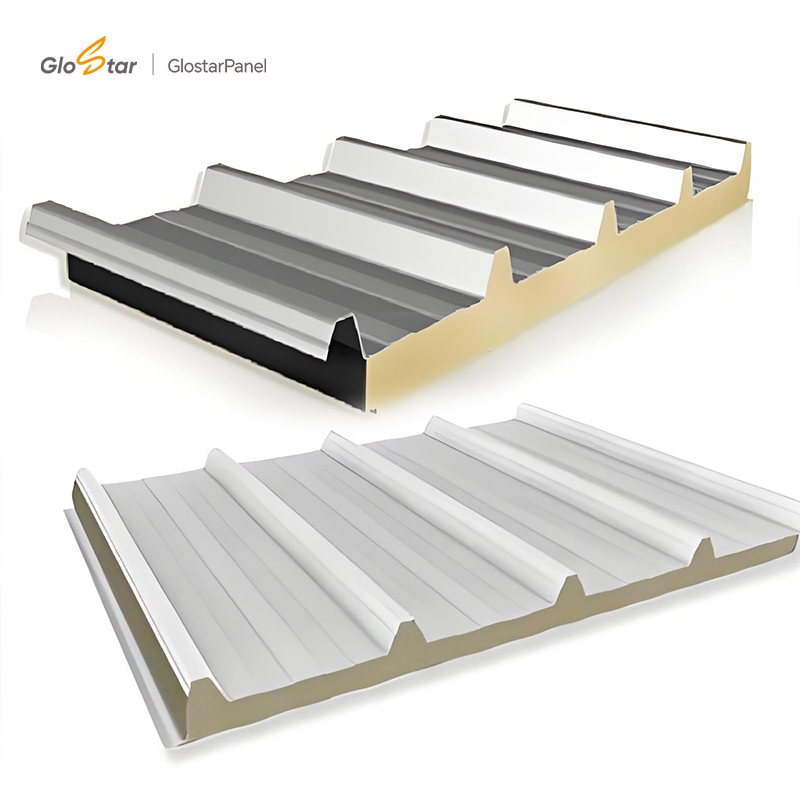
Il costo nascosto di ogni vite che perfora un pannello di copertura
Cammina su qualsiasi tetto industriale in servizio da cinque o sei anni e le prove sono solitamente visibili a occhio nudo. Macchie scure che si irradiano dalle teste delle viti. Ruggine che cola lungo le nervature. Forse persino uno o due secchi posizionati sotto un punto critico noto. Il tetto fissato con viti passanti — quello in cui le viti autofilettanti perforano direttamente la superficie del pannello fino alla capriata — funziona bene nel giorno dell’installazione. Ma l’acqua ha modo di trovare il percorso a minor resistenza, e ogni singola perforazione rappresenta un invito aperto.
Questo è il compromesso fondamentale dei sistemi con fissaggi a vista. L’installazione è rapida e i costi dei materiali sono inferiori all’inizio. Ma questi risparmi tendono a svanire nel tempo. Un tipico tetto industriale può presentare centinaia, o persino migliaia, di fissaggi che perforano la superficie impermeabilizzata, ciascuno dotato di una guarnizione in gomma o neoprene. La guarnizione si comprime al momento dell’installazione, la vite resta salda e tutto appare ben serrato. Poi inizia il ciclo termico che agisce sull’intero sistema.
Cosa accade effettivamente quando un tetto subisce le escursioni termiche tra estate e inverno
La lunghezza del pannello varia con la temperatura. Una copertura in acciaio di 30 metri può espandersi e contrarsi di oltre 2,5 centimetri a causa delle variazioni stagionali. In un sistema con fissaggio passante, il pannello è bloccato in posizione in corrispondenza di ogni vite. Il metallo tende a muoversi, ma il fissaggio lo impedisce. Di conseguenza, il pannello si usura contro il gambo della vite: questo fenomeno, nell’industria, è chiamato ‘slotting’. Con il tempo, il foro si allunga, la guarnizione perde la sua tenuta stagna e l’acqua penetra attraverso la fessura.
I sistemi a giunto verticale con clip nascosti adottano un approccio completamente diverso. Il pannello galleggia su clip fissati alla struttura. I fissaggi vengono inseriti attraverso il clip nella capriata, ma non penetrano mai nel pannello stesso. Il giunto verticale blocca insieme pannello e clip, sia mediante aggancio a scatto sia mediante sigillatura meccanica. Quando il pannello si espande, scorre rispetto al clip; quando si contrae, torna indietro. La superficie esposta alle intemperie rimane integra: nessun foro, nessuna rondella, nessuna fessura.
Dati di prestazione reali da test indipendenti
I numeri confermano questa affermazione. I test indipendenti eseguiti secondo la norma ASTM E1646 — metodo standard per la valutazione della penetrazione dell’acqua in pannelli di copertura metallici esterni mediante differenza di pressione statica uniforme — mostrano regolarmente che i sistemi a giunto rialzato superano il test a 12 psf senza alcuna perdita rilevata. Alcuni profili con giunti meccanici non hanno mostrato alcuna penetrazione d’acqua a differenze di pressione equivalenti a carichi di vento di 77 mph. A titolo di confronto, un pannello fissato con viti passanti e guarnizioni compromesse può iniziare a perdere già a differenze di pressione molto inferiori, soprattutto dopo che i fissaggi hanno subito alcuni anni di cicli termici.
Anche i test di infiltrazione d'aria raccontano una storia simile. La norma ASTM E1680 misura la perdita d'aria attraverso gli elementi di copertura. I sistemi a costolone rialzato con clip nascosti ottengono costantemente tassi di perdita inferiori a 0,2 CFM a una pressione differenziale di 6,24 psf. Questo non è soltanto un parametro di tenuta all'acqua: è anche un indicatore di prestazione energetica. Le perdite d'aria aumentano il carico sugli impianti di climatizzazione e, in un grande edificio industriale, si traducono in costi operativi reali.
| Misura delle prestazioni | Sistema con fissaggio diretto | Costolone rialzato con clip nascosti |
|---|---|---|
| Forature nei pannelli | Centinaia per copertura | Zero sulla superficie esposta alle intemperie |
| Accomodamento dei Movimenti Termici | Limitata — si verifica un'apertura a fessura | Completa — la clip consente lo scorrimento |
| Penetrazione dell'acqua secondo ASTM E1646 (12 psf) | Variabile, dipende dallo stato della rondella | Esito positivo—nessuna perdita osservata |
| Esposizione alla corrosione dei fissaggi | Diretta—le rondelle si degradano | Nessuna—i clip sono nascosti |
| Intervallo tipico di manutenzione | Ispezione annuale dei fissaggi | Cicli di ispezione prolungati |
Un caso che resta impresso: ristrutturazione dell'impianto chimico della Gulf Coast
Un impianto di lavorazione chimica lungo la Gulf Coast combatteva da quasi un decennio le perdite sul suo tetto con fissaggio passante. L'edificio risaliva ai primi anni 2000 e l'appaltatore originale aveva utilizzato pannelli a vite standard con rondelle in EPDM. Ogni primavera, il team di manutenzione impiegava settimane per risigillare i fissaggi. Ogni autunno, ripeteva l'operazione. Il responsabile dell'impianto stimava che ogni anno si perdeva una quantità significativa di tempo produttivo a causa degli arresti dovuti all'intrusione d'acqua—senza contare i danni da corrosione agli equipaggiamenti sottostanti.
La specifica per la ristrutturazione prevedeva un sistema a giunti verticali fissato meccanicamente con clip nascosti. Le capriate esistenti sono rimaste al loro posto. I nuovi pannelli sono stati posati sopra un distanziatore termico e le clip sono state fissate senza alcuna perforazione della superficie dei pannelli. Negli anni successivi all’installazione, il tetto non ha subito alcun fermo operativo legato all’acqua. Il personale addetto alla manutenzione ora effettua un’ispezione visiva una volta all’anno, anziché il precedente marathon semestrale di risigillatura dei fissaggi. La differenza non era sottile: si è trattato di un completo ripristino del profilo di rischio del tetto dell’impianto.
Perché il design delle clip conta più di quanto la maggior parte delle specifiche non riconosca
Non tutti i clip per giunti a rilievo funzionano allo stesso modo. I clip monopezzo sono adatti ai profili con sistema di aggancio a scatto, consentendo al pannello di espandersi e contrarsi all’interno del clip stesso. I clip flottanti in due pezzi, invece, vengono generalmente utilizzati con profili a giunto meccanico. Il corpo del clip viene fissato al lembo verticale del pannello, mentre la base si collega al supporto sottostante. Il corpo e la base si muovono in modo indipendente, permettendo così di assorbire i movimenti termici senza sollecitare il giunto.
Anche la distanza tra le clip è importante. Le zone perimetrali e angolari subiscono carichi di sollevamento provocati dal vento più elevati rispetto alla zona centrale del tetto, e la distanza tra le clip deve tenerne conto. Lo standard FM Global 4471, che disciplina le approvazioni per i tetti con pannelli di Classe 1, richiede il collaudo dell’intero sistema—pannelli, clip, elementi di fissaggio e supporto—sotto condizioni simulate di sollevamento. I valori di classificazione come 1-60, 1-90 e 1-120 indicano la pressione del vento, espressa in libbre per piede quadrato, che il sistema deve essere in grado di sopportare. Un tetto specificato senza adeguata attenzione alla distanza tra le clip e alla suddivisione in zone è un tetto che rinuncia a prestazioni potenziali.
Il vantaggio dell’impermeabilità non è teorico: è misurabile
L'argomento principale a favore del sistema a giunto rialzato con clip nascosti si riduce a un semplice fatto: un tetto privo di penetrazioni nella superficie impermeabile presenta meno potenziali punti di guasto rispetto a un tetto che ne ha centinaia. Questo non è pubblicità ingannevole: è ingegneria dei sistemi di base. Ogni fissaggio rappresenta una variabile. Ogni rondella è un componente soggetto a usura. Ogni ciclo termico costituisce un evento di sollecitazione. Rimuovendo le variabili, eliminando i componenti soggetti a usura e riducendo gli eventi di sollecitazione, il sistema diventa più prevedibile.
I sistemi a giunto rialzato con clip nascosti sono stati utilizzati su edifici di ogni tipo: dai grandi centri commerciali alla produzione farmaceutica fino ai capannoni per aeromobili. Il filo conduttore comune a tutte queste applicazioni è lo stesso: proprietari di immobili che desiderano un tetto performante in modo costante nel lungo periodo, senza dover destinare budget di manutenzione a ispezioni periodiche dei fissaggi.
Detto questo, il sistema a costoloni non è la soluzione ideale per ogni progetto. I tetti a bassa pendenza con numerosi elementi di perforazione complessi—ad esempio più lucernari, ventilatori di estrazione e attrezzature sul tetto—possono comunque trarre vantaggio dal sistema a costoloni, ma i dettagli intorno alle perforazioni richiedono un’ingegnerizzazione accurata. Inoltre, il costo iniziale dei materiali è superiore rispetto ai sistemi con fissaggi a vista. Per un magazzino con una vita utile prevista di vent’anni in un clima mite, i calcoli potrebbero orientarsi verso il sistema a fissaggio attraverso la lamiera. Per una struttura in cui i costi derivanti da fermo impianto superano quelli del tetto stesso, il sistema a costoloni con clip nascosti rappresenta la scelta inequivocabile.
Per i progetti in cui l’impermeabilità a lungo termine e la manutenzione minima sono requisiti imprescindibili, produttori come Glostar offriamo sistemi di copertura a giunto verticale progettati per rispettare gli standard FM 4471 e i protocolli di prova ASTM. Il sistema a giunto verticale SR468 a 360 gradi, ad esempio, si basa sul concetto Pittsburgh a doppia chiusura, con miglioramenti nell’integrità del giunto e nella resistenza alle intemperie. Grazie alla capacità produttiva interna e alle linee di produzione automatizzate, la catena di approvvigionamento rimane efficiente e il controllo qualità costante.
Indice dei contenuti
- Il costo nascosto di ogni vite che perfora un pannello di copertura
- Cosa accade effettivamente quando un tetto subisce le escursioni termiche tra estate e inverno
- Dati di prestazione reali da test indipendenti
- Un caso che resta impresso: ristrutturazione dell'impianto chimico della Gulf Coast
- Perché il design delle clip conta più di quanto la maggior parte delle specifiche non riconosca
- Il vantaggio dell’impermeabilità non è teorico: è misurabile