
 EN
EN
Suljetun solurakenteen kaava tekee taikaa.
Ei tarvitse kiertää asiaa. Kylmätilapaneelin polyuretaanisydän toimii niin pitkään juuri siksi, että sen solurakenne on suljettu. Kuvittele tiukka, kuin lihapalakka tuntuva materiaali, jonka kaikki solut ovat täysin suljettuja ja tiukkujen. Tällainen näyttää korkealaatuinen polyuretaanisydän. Solurakenne on tiukka, ja korkealuokkaisten suljettujen solujärjestelmien tiukkuusaste on yli 95 prosenttia^1. Kaasu on lähes lämmönjohtamaton. Tiukat solut ovat läpäisemättömiä, mikä mahdollistaa korkean lämmöneristävyyden saavuttamisen, jonka lämmönjohtavuus on 0,018–0,024 W/m·K^4. Tämä on siis vain puolet siitä, mitä saavutettaisiin kivivillalevyillä. Ei ainoastaan lämmönjohtavuus ole hyvä, vaan myös jääkaappijärjestelmä ja paneeli toimivat tehokkaammin eikä ne päästä ulos yhtä paljon kylmää. Tiukat järjestelmät ovat tehokkaita ja tehokkaita sekä tarjoavat pitkäaikaista lämpötilan vakautta.
Lentoturvallinen
Lämpötilan säätö vaatii enemmän kuin pelkän lämpötilaesteet. Se vaatii kylmätilan rakenteen säilymisen muuttumattomana vuosien ajan. Kukaan ei halua kylmätilaa, jonka jäykät seinät alkavat rakoilla vuosien varrella. Polyrigid-eristekiven lujuus on sekä tiukka että vaikuttava. Se itse asiassa vahvistuu vuosien varrella, vaikka lämpötila olisi hyvin alapuolella jääpistettä. Polyuretaanin jäykkä eriste on rakennettu kestäväksi, mikä näkyy käyrätestin tuloksissa. Jäykkä eristekivi säilyttää lineaarisen muutossuhteen – jopa -20 °C:ssa – hyvin pienessä prosenttimäisessä määrässä, alle yhden prosentin. Rakoilua ja kutistumista ei esiinny, eikä myöskään vääntymistä. Polyrigid-eristekiven suuri lujuus-painosuhde takaa erinomaisen mitallisen vakauden. Tämä on vaikuttavaa pitkällä aikavälillä. Kukaan ei halua kylmävarastoseiniä, jotka alkavat vääntyä ja aiheuttaa epätasaisen ilmavirran, ja korkealaatuinen kylmätilan polyrigid-eristepaneeli säilyy muodossaan vuosien ajan jäätyminen-sulaminen -jaksojen aikana. Se kestää ajan kokeita ja säilyy vakiona vuosien ajan ilman, että tila alkaa jäätä.
Ikääntyminen hienosti ilman nopeaa rappeutumista
Ihmiset ovat liian naurettavan typeriä ajatellessaan, että vaahtomuovieriste voi mädäntyä tai menettää tehonsa kymmenessä vuodessa, erityisesti ne, jotka esittävät outoja kysymyksiä näiden materiaalien kestävyydestä todellisessa maailmassa. Erinomaisten eristävien ominaisuuksien ansiosta polyuretaanisydän voi toimia pitkään. Jos ulkokuoren suojaus on ehjä, myös polyuretaanisydän säilyy ehjänä. Levytestaukset osoittavat, että polyuretaanivaahtolevyjä on ollut asennettuna ja käytössä 28–33 vuotta, ja ne ovat edelleen täysin toimintakykyisiä sekä täyttävät edelleen kaikki alkuperäiset suorituskykyvaatimukset. Eristerakenteen solurakenne suojaa eristelevyjen sisäosiota ulkoisilta vaikutuilta, jolloin kosteus pysyy tasapainossa ja tuholaiset suljetaan pois. Jäykän polyuretaanieristelevyn keskimääräinen käyttöikä on jopa 30 vuotta, ja joissakin rakennussovelluksissa suunniteltu käyttöikä voi olla 50–70 vuotta. Jos kylmätilaan käytetty eriste on suunniteltu kestämään pitkään, kylmätilan odotetaan kestävän pidempään kuin itse rakennus. Et rekisteröidy vaihtoprojektiin muutaman vuoden välein. Teet pitkäaikaista sijoitusta.
Kosteus on suuri ongelma kylmävarastojen rakennuksissa. Se vaikuttaa haitallisesti kylmävaraston eristykseen, koska se imee ja säilyttää lämpöä. Tämä tekee eristyksen tehottomammaksi, vahvemmaksi ja sitä ei ime vettä. Kun vesi jäätyy tarpeeksi kylmäksi, se laajenee. Tämä aiheuttaa kylmätilan varastopaneelien halkeamisen. Kun eristys kostuu, siellä voi kasvaa haitallisesti vaikuttavia mikro-organismeja. Tämä on haitallista kaikelle mahdolliselle varastoitavalle tai säilytettävälle tuotteelle. Polyuretaani https://www.glostar-panel.com/oli suunniteltu ratkaisemaan kaikki edellä mainitut ongelmat. Sen suljetun solurakenteen vuoksi se ei pidä vedestä. Koska eristeen soluseinät täyttävät lähes 95–98 prosenttia kokonaistilavuudesta, kosteuden pääsy sinne on vähäisempi. Koska kylmätilan varastointieristelevyjen suljettu pinta on vesitiukku ja kosteudenimevä, kosteuden esiintyminen on huomattavasti epätodennäköisempää. Tämä kosteudenimevyys ei muutu. Ei ole tilannetta, kuten vedenvarastossa, jossa suljetun tilan varastointi saattaa kallistua. Tämä pätee myös vedenvarastossa, ja suljetut varastointilevyt muodostavat esteen vedelle. Vedenvarastotilanteessa, jossa varastotila saattaa kallistua ja suljettu yläpinta pysyy kuivana, eriste pysyy kuivana ja kosteudeton, säilyttää saman lämpötilan sekä laitteen itsensä.
Paksuus määrittää lämpötilan
Levyt pyrkivät varmistamaan tasaisen lämpötilan useiksi vuosiksi, koska ne on suunniteltu tiettyyn käyttötarkoitukseen. Ei mikä tahansa koko kelpaa. Vaatimukset ovat tiukat. Jokaista haluttua lämpötilan alenemaa kohti tarvitaan paksuuden lisäämistä. Perusjäähdytykseen, jossa lämpötila ei laske alle 5 °C:n, riittää 50 mm:n paksuus. Pakastimen käyttöön miinus 18 °C:ssa suositellaan 100–120 mm:n paksuutta, ja puhalluspakastimien käyttöön miinus 35 tai 40 °C:ssa suositellaan polyuretaanilevyjen paksuutta 150–200 mm. Polyuretaanikovalevyjen paksuus määritetään pakastimen ulkoisen ja sisäisen lämpötilan perusteella. 100 mm:n levy kestää helposti 30 °C:n lämpötilaeron, mikä tekee siitä ideaalin valinnan miinus 15 °C:n lämpötilaan. Miinus 40 °C:n lämpötilaan suositellaan 200 mm:n levyä 75 °C:n lämpötilaeron varmistamiseksi. Lämpötila on tasainen ja yhtenäinen, eikä sitä saa vaihdella syklin mukaisesti. Levy, joka ei toimi sovelluksen vaatimusten rajalla, on kapasiteetiltaan selvästi riittävä. Levy, joka toimii rajallaan, heikkenee nopeasti ja ei edes pysty ylläpitämään vaadittua lämpötilaa.
Salaisuudet liitoksissa ja tiivistyksissä
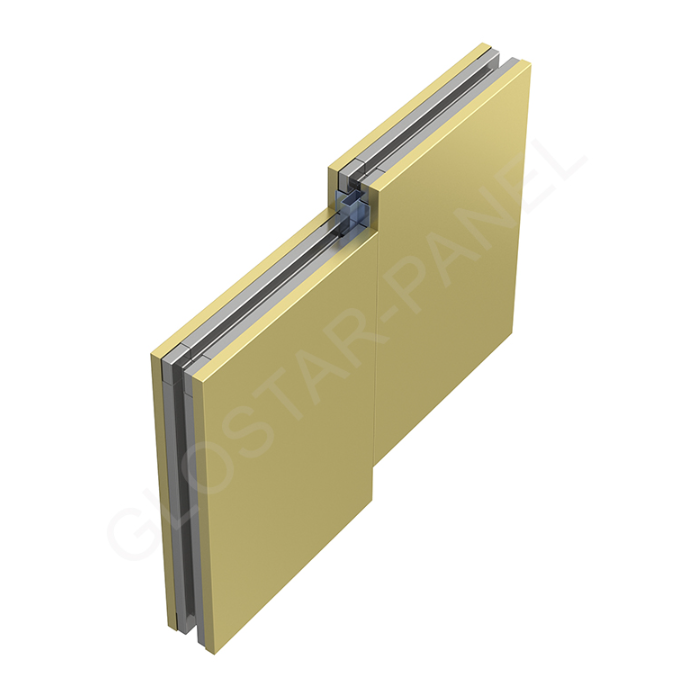
Markkinoiden parhaat kovettumattomat kumit eivät auta sinua lainkaan, jos ilma vuotaa läpi levyjen liitokset ja saumat. Siksi liitosjärjestelmät ovat yhtä tärkeitä kuin sisäiset materiaalit. Nykyaikainen kylmätilalevy käyttää kieli- ja urakantaliitosta, joka kytkeytyy toisiinsa kuin toisiinsa lukittuvat palapelin palat. Tämä muodostaa kylmän ilman labürinthin, joka kytkeytyy vierekkäisiin levyihin. Näiden liitosten ympärille ja niiden päälle asennetaan joustava EPDM-tiivistekumi, joka tiukentaa tyhjiön, jättäen käytännössä läpäisemättömän ilmatiivisteen. Kun levyt on kytkeytetty toisiinsa ja kiinnitetty kammaslukkojen avulla, levyjen keskiliitos toimii yhtenäisesti. Tämä yhtenäisyysominaisuus ei salli ilman, kaasun tai kosteuden kulkeutumista. Liitokset tarkoittavat tyhjiöitä, ja tyhjiöt tarkoittavat, että siellä ei ole ilman kondensoitumiseen tarvittavaa ilmaa. Vähemmän tyhjiöitä tarkoittaa vähenevää kondenssia, vähenevä kondenssi tarkoittaa vähenevää jäätymistä, mikä puolestaan tarkoittaa sisäisten eristemateriaalien heikkenemisen vähenemistä. Tämä on sisäisten materiaalien ominaisuus. Nämä sisäiset liitokset muodostavat joustavia materiaaleja, jotka eivät helposti halkeile tai kuivu, joten ne säilyttävät joustavuutensa eivätkä irrota itsensä ulkopuolelle. Tästä syystä kylmätilan ulkokuoren liitokset pysyvät kytkeytyneinä asennuksen aikana käytettyjen menetelmien avulla. Tämä kytkeytymisominaisuus on merkittävä tekijä siihen, miksi eriste pysyy vakautena ja sisäiset olosuhteet pysyvät tasaisina. Tämä nykyaikainen rakennusjärjestelmä aiheuttaa hyvin vähän tai ei lainkaan laajenemista ja/tai kutistumista koko järjestelmässä, mikä mahdollistaa tiivisteen suojan yhtenäisen säilymisen vuosikymmeniä.
Kääri se kaikki
Mitä sitten tekee kylmätilalevyn, jonka ydin on polyuretaania, niin erinomaisen eristeen? Kyseessä on useiden älykkäiden suunnitteluratkaisujen yhdistelmä, jota käsitellään tässä artikkelissa. Sinulla on suljettusoluinen vaahto, joka pitää sisällään eristävän kaasun. Sinulla on mitallisesti vakaa rakenne, joka estää vääntymisen. Sinulla on kymmenen vuosikymmentä kestänyt, todistettu ikääntymisvastus. Sinulla on kosteudenkestävyys, joka pakottaa kosteuden pois. Sinulla on paksuusvaihtoehtoja, jotka sopivat täydellisesti levyn ja tarpeen mukaan. Sinulla on erinomaisen tiukat liitosjärjestelmät, jotka lukittuvat toisiinsa estääkseen kosteuden tunkeutumisen. Sinulla on eristävät kylmätilalevyjärjestelmät, jotka toimivat erinomaisina eristeinä kaikelle säilytettävälle tavalle, olipa kyseessä lihaa, vihanneksia tai elämää pelastavia lääkkeitä. Polyuretaanilevyt ovat erinomaisia verrattuna muihin järjestelmiin. Tämä selittää, miksi kylmävarastointia harjoittavat luottavat polyuretaaniin eristämiseen. cold Room Panels .