
 EN
EN
Uganjka korozije
Aluminij ima dobro zasluženo slavo zaradi odpornosti proti koroziji. Ko je izpostavljen zraku, se takoj oblikuje tanka, tesno vezana oksidna plast, ki zapre površino in prepreči nadaljnjo oksidacijo. Zato aluminij ne rjavi na način, kot rjavijo jeklene površine. Vendar pa ne vsi aluminijasti izdelki enako odpirajo koroziji. Določena zlitina, površinska obdelava in celo fizična struktura izdelka vplivajo na to, kako dobro se izdelki obdržijo skozi leta izpostavljenosti vlaji, solnemu pršenju in industrijskim onesnaževalcem. Pri primerjavi aluminijaste panjske plošče in trdne aluminijaste plošče podobne skupne debeline ima sestavljena plošča dejansko nekaj preskrbljivih prednosti pri odpornosti proti koroziji.
Manj materiala pomeni manj materiala za korozijo
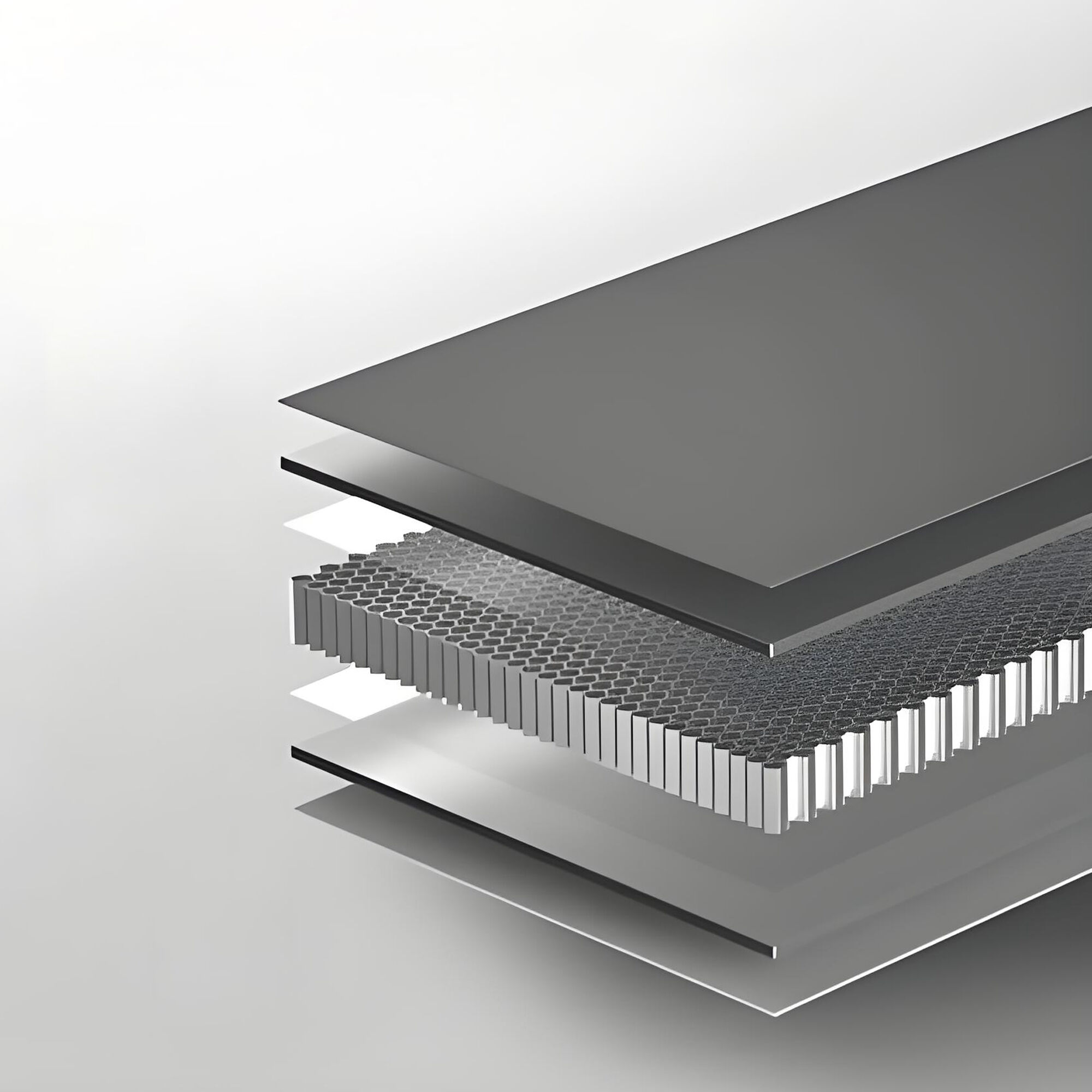
Najbolj očitna razlika med aluminijasto panelo z medenim strukturnim vzorcem in trdno aluminijasto ploščo je sama struktura. Panela z medenim strukturnim vzorcem sestoji iz dveh tankih aluminijastih obložnih plošč, ki sta lepljeni na aluminijast jedrni del z medenim strukturnim vzorcem. Jedro je večinoma prazno, običajno več kot 90 odstotkov zraka. To pomeni, da panela z medenim strukturnim vzorcem porabi veliko manj aluminija kot trdna plošča enake debeline. Manj aluminija v strukturi pomeni, da je fizično manj materiala, ki se lahko s časom korodira. To se morda zdi preprosto, a v okoljih, kjer je korozija glavni način odpovedi, predstavlja manjša izpostavljena količina kovine resnično prednost. Trdne aluminijaste plošče v okolje vpeljejo veliko kovine in čeprav površinska oksidna plast zaščiti zunanjo površino, vsak preboj, ki doseže notranjost, omogoča koroziji, da napreduje skozi več materiala.
Površinska obdelava gre še dlje
Tanki obložni listi na aluminijastem panelu z medenim jedrom so običajno končani z visoko zmogljivimi premazi, kot so PVDF fluorokarbon ali poliesterski barvni sistemi. Ti premazi se v tovarni nanesejo pod nadzorovanimi pogoji in zagotavljajo trpežno zaščitno plast, ki ohranja vlago in onesnaževalce stran od aluminijaste površine. Ker so obložni listi tanki, premaz predstavlja večji delež skupne debeline ovojne plasti v primerjavi s trdnim listom. Zaščitna plast je pomembnejši del celotne konstrukcije. Poleg tega se aluminijasti listi, uporabljeni v panelih z medenim jedrom, pred barvanjem pogosto podvržejo predobdelavnim postopkom, kot so kromatna pretvorba ali anodizacija, kar še dodatno izboljša odpornost osnovnega kovinskega materiala proti koroziji. Trdni aluminijasti listi lahko prejmejo iste obdelave, v praksi pa tovarniška integracija proizvodnje panelov z medenim jedrom zagotavlja, da so ti koraki dosledno izvedeni.
Jedro je z načrtovanjem zaščiteno
Ena skrb pri vseh kompozitnih ploščah je, kaj se zgodi, če v notranjost prodre vlaga. Pri aluminijastih panelih z medsebojno povezanimi celicami je jedro popolnoma zaprto med dvema površinskima ploščama in tesnjeno po robovih. Lepilo, s katerim so površinske plošče prilepljene na jedro, deluje tudi kot pregrada, ki preprečuje preskakovanje vlage med plastmi. Sodobne plošče z medsebojno povezanimi celicami uporabljajo epoksidna ali termoplastična lepilna filmska lepila, ki so zelo odporna proti vlagi in kemičnim napadom. Ta zaprta sendvična konstrukcija pomeni, da tudi če se površinsko premazano plast poškoduje, ostane aluminijasto jedro zaščiteno s površinskimi ploščami in plasti lepila. Plošča nima izpostavljenih notranjih površin, kjer bi se lahko začela korozija od znotraj navzven, kar pa predstavlja tveganje pri masivnih aluminijastih izdelkih, ki imajo skrite reže ali nepremazane notranje površine.
Konstruktivni načrt zmanjšuje napetostno korozijo
Korozija ni le posledica kemičnega napadanja. Pomembno vlogo igra tudi mehansko obremenitev, zlasti v obliki napetostne korozije in razpok. Trdne aluminijaste plošče, ki jih upogibamo, varimo ali mehansko pritrdimo, lahko razvijejo notranje napetosti, zaradi katerih postanejo bolj dovzetne za to vrsto odpovedi. Aluminijasta panela z medsebojno povezanimi celicami („panjska“ struktura) obremenitve porazdeli drugače. „Sendvična“ struktura je po naravi učinkovita pri razprševanju napetosti po celotni površini plošče. Sredica iz aluminijastih celic neprekinjeno podpira obrobniki, s čimer zmanjšuje lokalne koncentracije napetosti, ki bi sicer lahko povzročile razpoke. V aplikacijah, kot so fasade stavb ali notranjosti plovil, kjer plošče izpostavljamo termičnim ciklom in obremenitvam vetra, ta enakomerna porazdelitev napetosti prispeva k dolgoročni odpornosti proti koroziji, saj zmanjšuje pogoje, ki vodijo do napetostne korozije.
Preizkušeno v najtežjih okoljih
Dejanska učinkovitost aluminijastih panelnih plošč z medenim strukturiranim jedrom potrjuje teorijo. Te plošče se široko uporabljajo na morskih plovilih, na morju postavljenih platformah in obmorskih stavbah, kjer je solna rosa vsakodnevna resničnost. Določene so za čiste sobe in farmacevtske objekte, kjer je odpornost proti kemikalijam ključnega pomena. Uporabljajo se v notranjosti in zunanjosti letal, kjer je zanesljivost nesporno bistvena. V vseh teh uporabah kombinacija zaščitnih premazov, tesne izdelave in učinkovite konstrukcijske oblike zagotavlja aluminijasti panel z medenim strukturiranim jedrom prednost pred trdnimi aluminijastimi ploščami. Rezultat je material, ki ne le tehta manj in ima boljšo konstrukcijsko učinkovitost, temveč tudi daljši čas učinkoviteje zdrži korozijo.